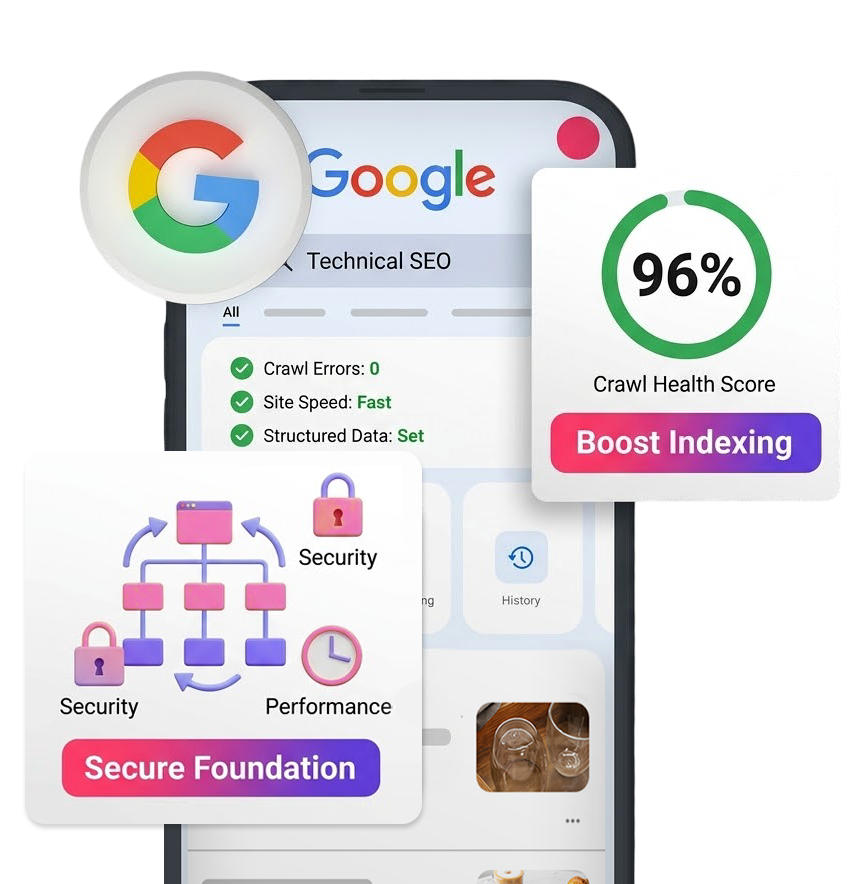
A website can have valuable content, strong products, and a recognizable brand yet still struggle to gain visibility in search results. The challenge is not the content itself, but whether search engines can effectively access, understand, and evaluate the website.
Technical SEO services improve the foundation of a website by addressing issues that affect crawlability, indexing, performance, and search visibility. By removing technical barriers, businesses can help ensure important pages are discoverable and positioned to support long-term organic growth.
At Seller Interactive, technical SEO goes beyond fixing isolated issues. Our data-driven approach combines technical expertise with strategic optimization to identify high-impact opportunities, align improvements with business goals, and create a website foundation that supports sustainable growth.
Great content and strong marketing efforts can only drive results when search engines can properly access, understand, and rank a website. But, technical issues can limit visibility, prevent valuable pages from appearing in search results, slow down user experiences, and create missed opportunities for attracting qualified customers.
Having a strong website foundation helps search engines discover, interpret, and evaluate content more effectively. Eventually, potential customers will easily find important pages while having a better user experience once they arrive.

A comprehensive SEO audit evaluates key areas that influence search performance, including:
Crawlability: Ensuring search engines can efficiently discover important pages and prioritize the content that matters most.
Indexing: Identifying issues that prevent valuable pages from appearing in search results and improving search visibility.
Website architecture: Creating a clearer structure that helps users navigate the website and helps search engines understand content relationships.
Core Web Vitals and site performance: Improving speed, responsiveness, and overall user experience to support engagement and conversions.
Search engine accessibility: Optimizing technical elements such as XML sitemaps, structured data, canonical tags, and JavaScript rendering so that search engines can better understand the website.
Technical SEO is an ongoing process, not a one-time fix. As websites grow and search engines evolve, continuous monitoring and optimization help businesses maintain visibility, improve performance, and support long-term organic growth. Without a technically healthy website, even high-quality content and effective SEO strategies may not reach their full potential.
Technical SEO issues are difficult to spot because they often happen behind the scenes. A website may look and function well for visitors while hidden technical problems prevent search engines from properly understanding, indexing, and ranking its content. When left unresolved, these issues can limit organic visibility, reduce qualified traffic, and impact business growth.
Search engines rely on crawling to discover website content. If important pages are blocked, buried too deep within the site, or difficult to access, they may never be evaluated for search results. As websites grow, inefficient crawl paths can also cause search engines to spend time on low-value pages instead of content that supports business goals. This is common with ecommerce websites that use faceted navigation, where thousands of filter-based URLs can consume crawl resources and make it harder for search engines to prioritize important product and category pages.
A page must be indexed before it can appear in search results. Technical issues like incorrect tags, conflicting canonical tags, duplicate URLs, or poor website architecture can prevent valuable pages from being included in search results. This can result in lost visibility even when the content itself is relevant and well optimized. So, a product or service page with valuable information may still fail to appear in search if an incorrect canonical tag signals that another URL should be prioritized instead.
Website speed affects more than search performance. Slow-loading pages can frustrate visitors, increase abandonment rates, and reduce conversions. Because of this, core Web Vitals, server response times, large media files, and inefficient codes need regular checking as they greatly contribute to the overall user experience. A website with slow mobile loading times or unexpected layout shifts may lose potential customers before they have the opportunity to engage with important content.
When similar or identical content exists across multiple URLs, search engines may struggle to determine which version should appear in search results. Duplicate content can dilute ranking signals, reduce crawl efficiency, and create inconsistent search visibility. So, proper canonicalization, URL management, and technical optimization help search engines understand which pages deserve priority. This can become a challenge when ecommerce websites create multiple URLs through filters, sorting options, or tracking parameters, causing search engines to encounter competing versions of the same content.
Internal links help users and search engines discover important content and understand how pages connect within a website. A weak internal linking structure can leave valuable pages isolated, making them harder to find and limiting their ability to gain visibility. Newly published service pages, blog content, or product pages without internal links pointing to them can become orphan pages, reducing the chances that search engines and visitors will discover them.
Websites constantly evolve through redesigns, platform updates, new content, and changing business priorities. Without ongoing technical maintenance, previous SEO decisions may create new challenges that limit future growth. Website migrations are a common example, as changes to URLs, site structure, or redirects can unintentionally remove valuable pages or create broken paths that negatively impact search visibility.
Technical SEO is not simply about fixing isolated problems as they appear. It is an ongoing process of identifying opportunities, adapting to website and search engine changes, and maintaining a foundation that supports long-term organic growth.
| Technical SEO Area | Before Optimization | After Optimization |
|---|---|---|
| Crawl Errors | Hundreds of crawl errors prevent search engines from accessing important pages. | Crawl errors are significantly reduced, allowing search engines to discover and evaluate more valuable content. |
| Page Speed & Core Web Vitals | Slow loading times and poor Core Web Vitals create a frustrating user experience and contribute to higher abandonment rates. | Faster page loading and improved Core Web Vitals support a smoother user experience and stronger search performance. |
| Indexing | Valuable pages are missing from Google's index due to technical issues such as incorrect canonical tags or no index directives. | Priority pages are successfully indexed, increasing their opportunity to appear in relevant search results. |
| Website Crawlability | Search engines spend time crawling low-value or duplicate URLs instead of important pages. | Crawl resources are focused on high-value pages, improving crawl efficiency and search visibility. |
| Internal Linking | Important pages receive little internal support, making them difficult for users and search engines to discover. | Strategic internal linking improves navigation and helps search engines better understand website structure. |
| Website Migrations | Broken redirects and missing URL mappings cause traffic loss after a redesign or migration. | Redirects are properly implemented, preserving search visibility and helping maintain organic traffic. |
The greatest impact comes from connecting website improvements to broader business goals. Instead of applying isolated fixes, Seller Interactive identifies the technical factors that influence search visibility, user experience, and long-term organic growth. Our services combine strategic analysis, implementation guidance, and ongoing optimization to help websites perform more effectively in search.
If left unaudited, a website that has technical issues limiting growth without any obvious warning signs. Pages may be difficult for search engines to access, valuable content may not be performing as expected, or previous website changes may have created hidden obstacles.
An SEO audit service provides a comprehensive view of website health by identifying issues affecting crawlability, indexability, site performance, and search visibility. Our team analyzes and prioritizes based on business impact, creating a roadmap for improvement rather than a one-time list of errors. This helps businesses understand what is limiting organic performance and where optimization efforts can create the greatest value.
Visibility begins with discoverability. If search engines cannot efficiently access and understand a website, valuable pages may never reach potential customers through search. Crawl paths, XML sitemaps, robots directives, canonical tags, orphan pages, redirect chains, and other technical signals are reviewed by our SEO specialists to understand how search engines interact with a website. Improving crawl efficiency and indexation helps search engines better interpret website content while increasing the likelihood that important pages appear in search results.

Missed search opportunities occur when technical improvements are disconnected from customer demand. So, identifying the topics, questions, and searches that matter most helps ensure SEO efforts are aligned with business goals.
Through analysis of search intent, keyword demand, competitive landscape, and existing website performance, Seller Interactive identifies opportunities to guide technical priorities, content decisions, and website improvements. These insights help attract more qualified visitors instead of focusing on keywords that may generate limited business value.
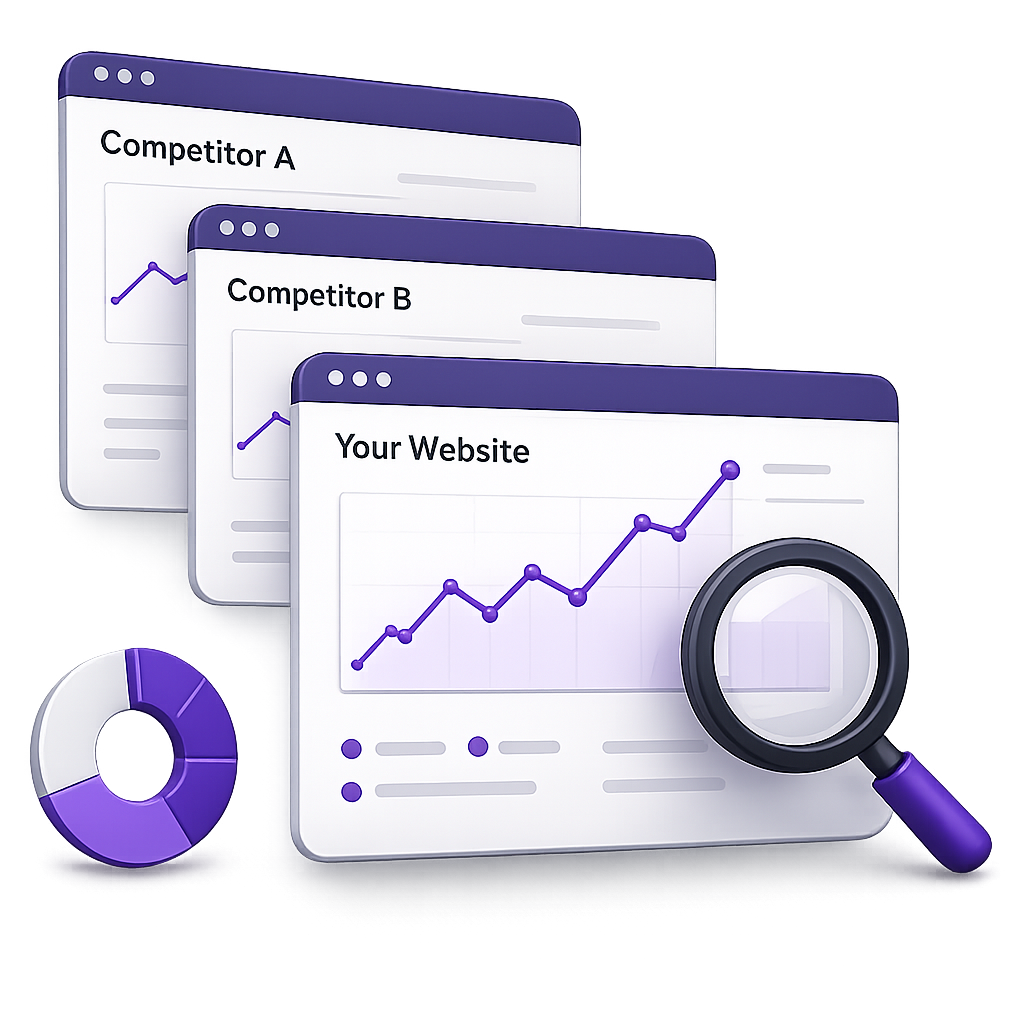
Competitor websites can reveal valuable insights into what is working within a specific market. Understanding how similar businesses structure their websites, organize content, and build organic visibility can uncover opportunities to improve your website.
By competitive analysis, we evaluate technical strengths, content opportunities, and search performance gaps to identify areas for improvement. These insights help shape a more informed SEO strategy and guide decisions that strengthen search visibility over time.
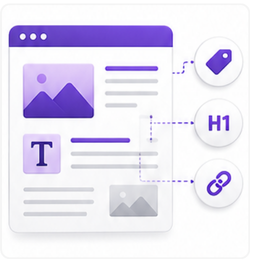
A technically healthy website still requires well-optimized pages that align with search intent and provide value to users. Key on-page elements, including title tags, meta descriptions, headings, URL structures, image optimization, and content organization, are refined to improve relevance and usability. Technical recommendations are also aligned with the broader SEO content strategy rather than treating pages as isolated assets. As a result, it provides content that is easier for both users and search engines to understand while supporting stronger organic performance.
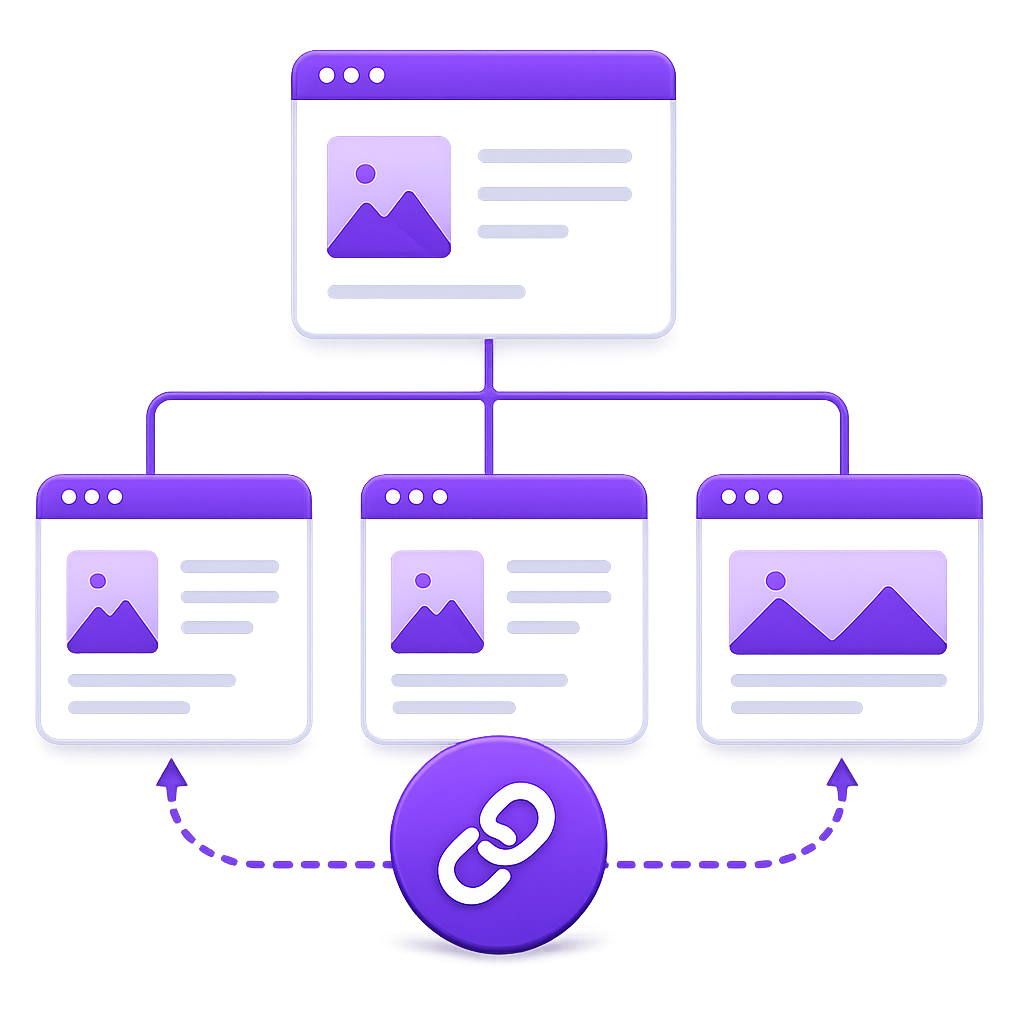
A website's navigation plays an important role in both user experience and search visibility. When important pages are difficult to find, visitors may miss valuable information, and search engines may struggle to understand how content connects.
Therefore, analyzing existing internal linking structure helps identify opportunities to improve navigation, strengthen connections between related content, and support priority pages. A stronger internal linking framework makes it easier for visitors to discover relevant information while helping search engines better understand website organization.

Publishing more content does not automatically lead to better results. Effective content must address customer needs, align with search intent, and support broader SEO objectives.
SEO content strategies and detailed briefs are developed by our consultants using keyword research, competitive analysis, and technical insights. This ensures new pages have a clear purpose, fit naturally within the website structure, and contribute to long-term organic growth instead of adding content without strategic direction.
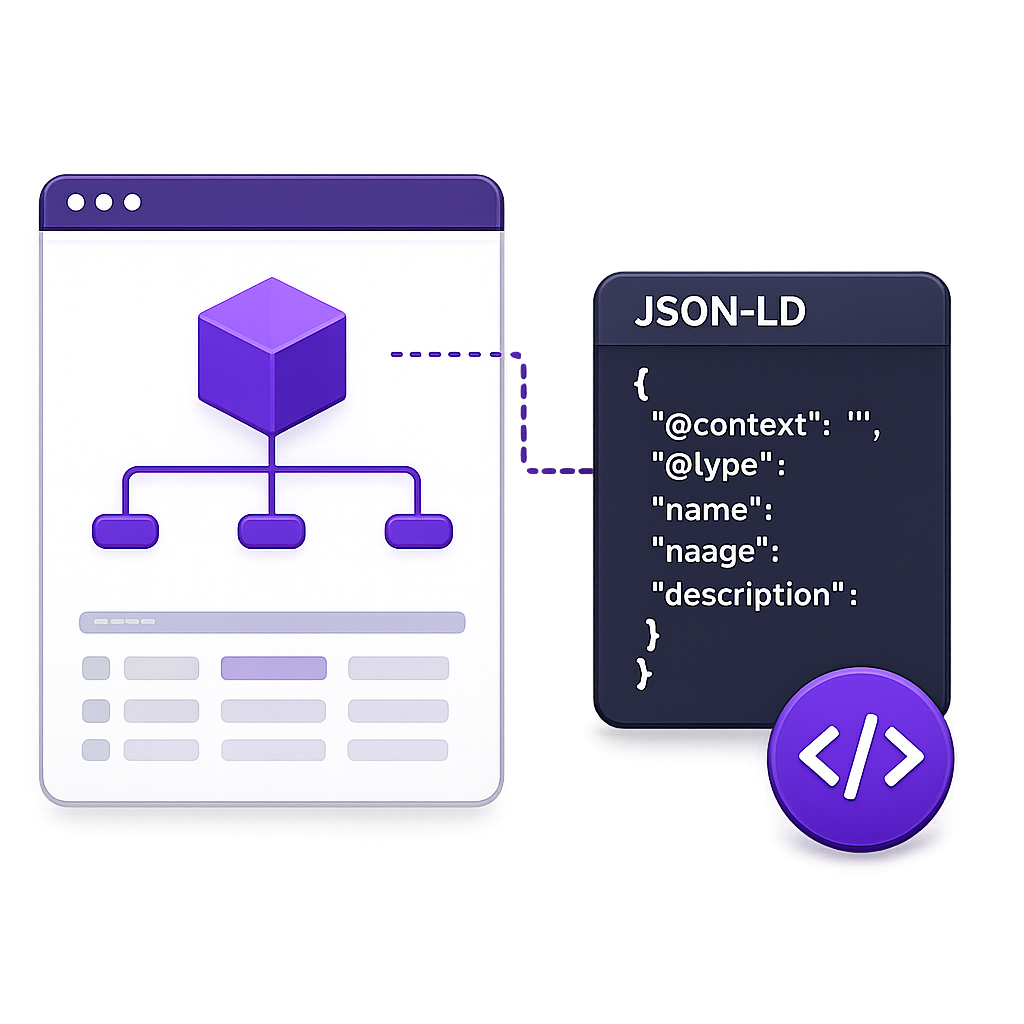
Search engines rely on more than page content to understand what information represents, especially for products, services, and specialized content. Opportunities for structured data implementation are identified to provide additional context about website information. Schema markup recommendations help search engines better interpret page details and may improve eligibility for enhanced search features, supporting stronger visibility across search results.
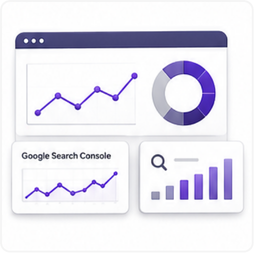
Effective SEO decisions require reliable performance data. Without accurate insights, businesses may invest time and resources into changes without understanding their actual impact.
Website analytics and Google Search Console data are analyzed to identify visibility trends, indexing concerns, technical issues, and optimization opportunities. Looking beyond rankings alone, performance is evaluated through factors such as user engagement and qualified organic traffic to provide a clearer understanding of what is working and where improvements are needed.
SEO performance can shift as websites evolve, search engines update their systems, and new technical challenges emerge. Ongoing monitoring helps identify website health issues, performance changes, and new optimization opportunities before they become larger obstacles. Meanwhile, reporting provides visibility into completed improvements, ongoing recommendations, and the measurable impact of SEO efforts.

Every business has different goals, technical requirements, and growth challenges. Using standardized SEO plans may overlook the priorities that have the greatest impact. But, strategic SEO consulting provides guidance for evaluating opportunities, planning initiatives, and making informed decisions. Whether preparing for a website migration, launching new content, or improving an ecommerce website, Seller Interactive helps ensure technical SEO supports broader business objectives through expert recommendations and ongoing collaboration.
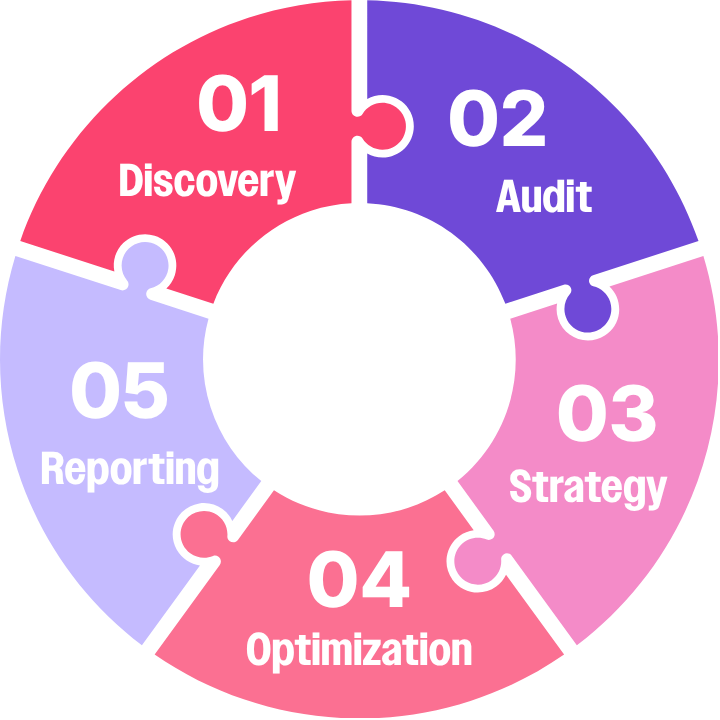
Every partnership begins with understanding the business, website, and growth objectives. We learn about your target audience, competitive landscape, existing SEO efforts, and the challenges preventing your website from reaching its full potential. This ensures our recommendations align with your business goals, not just technical best practices.
Next, our SEO experts perform a comprehensive evaluation of your website to help us identify both immediate issues and long-term opportunities. This includes analyzing crawlability, indexability, site architecture, Core Web Vitals, internal linking, structured data, duplicate content, JavaScript rendering, and other technical factors that influence search visibility.
Once we've identified the most impactful opportunities, we develop a customized SEO strategy based on data, business priorities, and search demand. Rather than attempting to fix every technical issue at once, we prioritize initiatives that are most likely to improve visibility, user experience, and organic performance while supporting your broader marketing objectives.
Strategy only creates value when it is put into action. Our team works to implement technical improvements, optimize your website's structure, and collaborate with developers, content teams, and stakeholders to ensure recommendations are executed accurately and efficiently.
SEO decisions should be guided by measurable results. We monitor key performance indicators, including organic visibility, crawl health, indexing trends, website performance, and user engagement, to understand how technical improvements are influencing overall business performance. These insights help us evaluate progress and identify new opportunities for optimization.
Technical SEO is an ongoing process, not a completed project. As your website grows, new content is published, technology changes, and search engines continue updating how they evaluate websites. We continuously monitor your site's technical health, refine our strategy, and address emerging opportunities to help maintain long-term search performance and support sustainable business growth.
Our process is designed to create continuous momentum rather than temporary improvements. By combining ongoing technical optimization with strategic guidance and measurable performance tracking, Seller Interactive helps businesses build a stronger foundation for lasting organic success.
Next, our SEO experts perform a comprehensive evaluation of your website to help us identify both immediate issues and long-term opportunities. This includes analyzing crawlability, indexability, site architecture, Core Web Vitals, internal linking, structured data, duplicate content, JavaScript rendering, and other technical factors that influence search visibility.
Strategy only creates value when it is put into action. Our team works to implement technical improvements, optimize your website's structure, and collaborate with developers, content teams, and stakeholders to ensure recommendations are executed accurately and efficiently.
Our process is designed to create continuous momentum rather than temporary improvements. By combining ongoing technical optimization with strategic guidance and measurable performance tracking, Seller Interactive helps businesses build a stronger foundation for lasting organic success.
Technical SEO is an ongoing process, not a completed project. As your website grows, new content is published, technology changes, and search engines continue updating how they evaluate websites. We continuously monitor your site's technical health, refine our strategy, and address emerging opportunities to help maintain long-term search performance and support sustainable business growth.
Sustainable organic growth requires more than identifying technical issues and applying quick fixes. Many businesses experience stagnant traffic or declining visibility because SEO challenges rarely come from a single source. Technical limitations, content gaps, website changes, and missed search opportunities work together to impact performance.
Seller Interactive takes a business-first approach to SEO by focusing on the improvements that create the greatest impact. Rather than treating every technical issue equally, our recommendations are prioritized based on business goals, search opportunities, and potential value. This ensures resources are directed toward changes that support meaningful improvements in visibility, user experience, and long-term growth.
Not every technical issue carries the same level of importance. A minor configuration error may have little impact, while indexation problems, poor site architecture, or performance issues can prevent valuable pages from reaching potential customers.
Through technical analysis and strategic evaluation, the highest-impact opportunities are identified first. This prioritization helps businesses focus on improvements that align with their goals instead of spending time and resources on technical changes that provide limited value.
Technical SEO improvements require collaboration across different areas of a business. Developers may handle implementation, marketing teams manage content and campaigns, and stakeholders need visibility into how SEO decisions support broader objectives.
Clear recommendations, strategic guidance, and ongoing communication help ensure technical improvements are practical and aligned with existing workflows. By working alongside internal teams and development partners, SEO initiatives can move forward efficiently while supporting long-term website performance.
A technically optimized website creates the foundation for search visibility, but strong results also depend on creating content that meets customer needs and search intent. Technical improvements alone cannot replace a strategic content plan.
By connecting technical analysis with keyword research, search opportunity insights, and content planning, SEO efforts become more aligned with how customers search and interact with a website. This integrated approach helps businesses create content that is easier for search engines to understand and more valuable for potential customers.
Identifying technical issues is only the first step. Lasting organic growth requires continued monitoring, refinement, and optimization because websites evolve, search engines update their systems, and new opportunities appear over time. With continuous analysis, reporting, and strategic recommendations, businesses can adapt to these changes. Rather than ending after implementation, the partnership provides ongoing guidance to support long-term organic growth.
Businesses need an SEO partner that understands both technical requirements and commercial objectives. Whether improving an ecommerce website, recovering from declining visibility, preparing for a migration, or building a stronger organic strategy, the focus remains on creating measurable improvements that support growth.
With a combination of technical expertise, strategic planning, collaboration, and continuous optimization, Seller Interactive helps businesses build a scalable SEO foundation designed for sustainable organic visibility.
Search visibility has slowed, and existing SEO efforts are no longer driving consistent growth.

Technical issues may be preventing valuable pages from being properly crawled or indexed.

Slow load times, poor Core Web Vitals, or technical barriers are affecting user experience and search performance.

Strategic SEO guidance is needed to protect visibility and prevent technical issues during major website changes.

Poor site architecture, internal linking challenges, or duplicate content issues are making it harder for search engines to understand the website.

A stronger technical foundation and SEO content strategy service can help ensure valuable content is discoverable and aligned with search opportunities.

Internal teams need technical SEO consultants who can provide recommendations, analysis, and performance insights.

The business is looking for continuous optimization and strategic support rather than a one-time technical SEO website audit.
Technical SEO services focus on improving the behind-the-scenes elements of a website that influence how search engines crawl, understand, and rank content. These services may include website audits, crawl and indexation analysis, performance optimization, structured data recommendations, internal linking improvements, and ongoing technical monitoring. The goal is to create a stronger technical foundation that supports better search visibility, user experience, and long-term organic growth.
Technical SEO is the process of optimizing a website's infrastructure so search engines can access, interpret, and evaluate its content more effectively. It focuses on areas such as website architecture, crawlability, indexability, page speed, Core Web Vitals, mobile usability, and search engine accessibility. While content helps answer user questions, technical SEO helps ensure search engines can discover and properly understand that content.
Technical SEO focuses on improving the structure and functionality of a website, while on-page SEO focuses on optimizing individual pages and their content.
A technical SEO audit evaluates the factors that may affect your website's search performance. This typically includes analyzing crawlability, indexation, website structure, Core Web Vitals, page speed, XML sitemaps, internal linking, duplicate content, canonicalization, structured data, and other technical elements. A thorough audit should not only identify issues but also prioritize recommendations based on their potential business impact.
Technical SEO can support stronger search performance by removing barriers that prevent search engines from properly accessing and understanding your website. Improvements to site structure, performance, indexation, and accessibility can help create better conditions for organic visibility. However, SEO results depend on many factors, including content quality, competition, search intent, and ongoing optimization. Technical SEO is a foundation that supports sustainable growth rather than a guaranteed shortcut to rankings.
The timeline for technical SEO improvements depends on the size and complexity of your website, the number of issues identified, and how quickly changes can be implemented. Some improvements may have a faster impact, while larger technical changes require ongoing monitoring and refinement. SEO is an iterative process that focuses on continuous improvements rather than a one-time solution.
AI tools can help analyze data, identify patterns, and streamline certain SEO tasks, but they do not replace the expertise required to make strategic decisions. Technical SEO requires understanding business goals, website limitations, search behavior, and how different improvements affect overall performance. Experienced consultants use technology alongside human expertise to create recommendations that align with measurable business objectives.
Some basic technical SEO improvements can be handled internally, especially with the right tools and resources. However, complex issues involving website architecture, JavaScript SEO, migrations, large ecommerce websites, and indexation problems often require specialized knowledge. Partnering with SEO specialists can help businesses identify hidden issues, prioritize solutions, and avoid changes that may negatively impact search visibility.
A technically healthy website creates the foundation for sustainable search performance. Seller Interactive combines technical expertise, strategic SEO planning, and ongoing optimization to help businesses identify opportunities, resolve complex challenges, and make informed decisions based on measurable data.
Whether you need a comprehensive technical SEO audit, ongoing guidance, or a complete SEO strategy, our team helps you build a website that supports long-term visibility, qualified traffic, and continued growth. Contact Seller Interactive today to discuss how our services can help your business move forward.
Book a Strategy Call