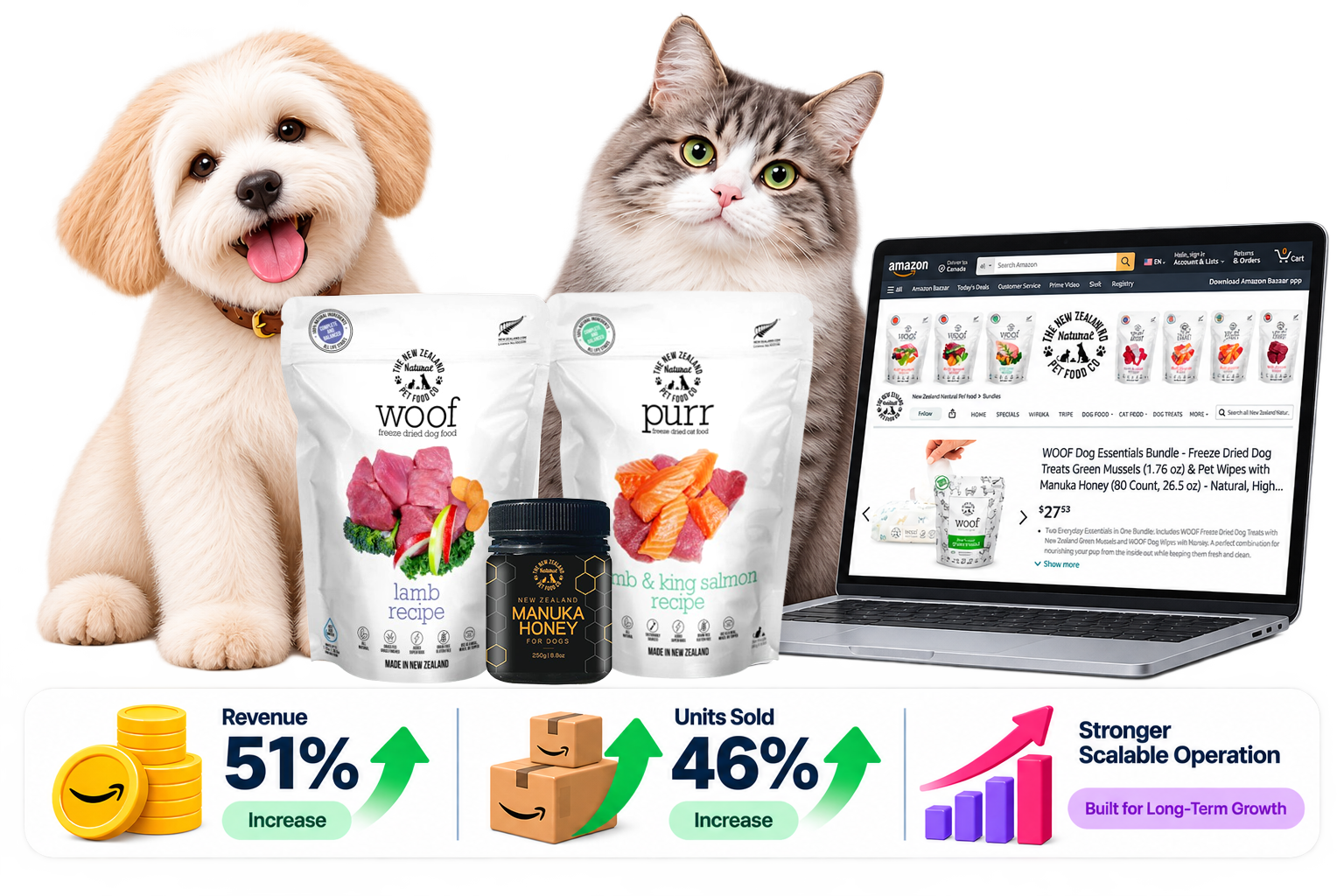
For New Zealand Natural Pet Food Co., a premium pet nutrition brand, Seller Interactive supported the transition from Vendor Central to an FBA-only Seller Central operation, managing the migration and ongoing account operations. Across the comparable February 1–December 31 periods in 2024 and 2025, the brand increased revenue by approximately 51% and units sold by approximately 46%. This Amazon FBA case study demonstrates how careful catalog preparation, inventory coordination, operational controls, and post-launch optimization helped establish a more structured and scalable Amazon operation. The growth reflects the combined impact of the broader engagement rather than the migration alone.
New Zealand Natural Pet Food Co. is a premium pet nutrition brand offering pet food made with quality ingredients from New Zealand. Because pet food is purchased as an ongoing need, consistent Amazon availability is important for maintaining customer convenience, supporting repeat purchases, and capturing demand when customers are ready to buy.
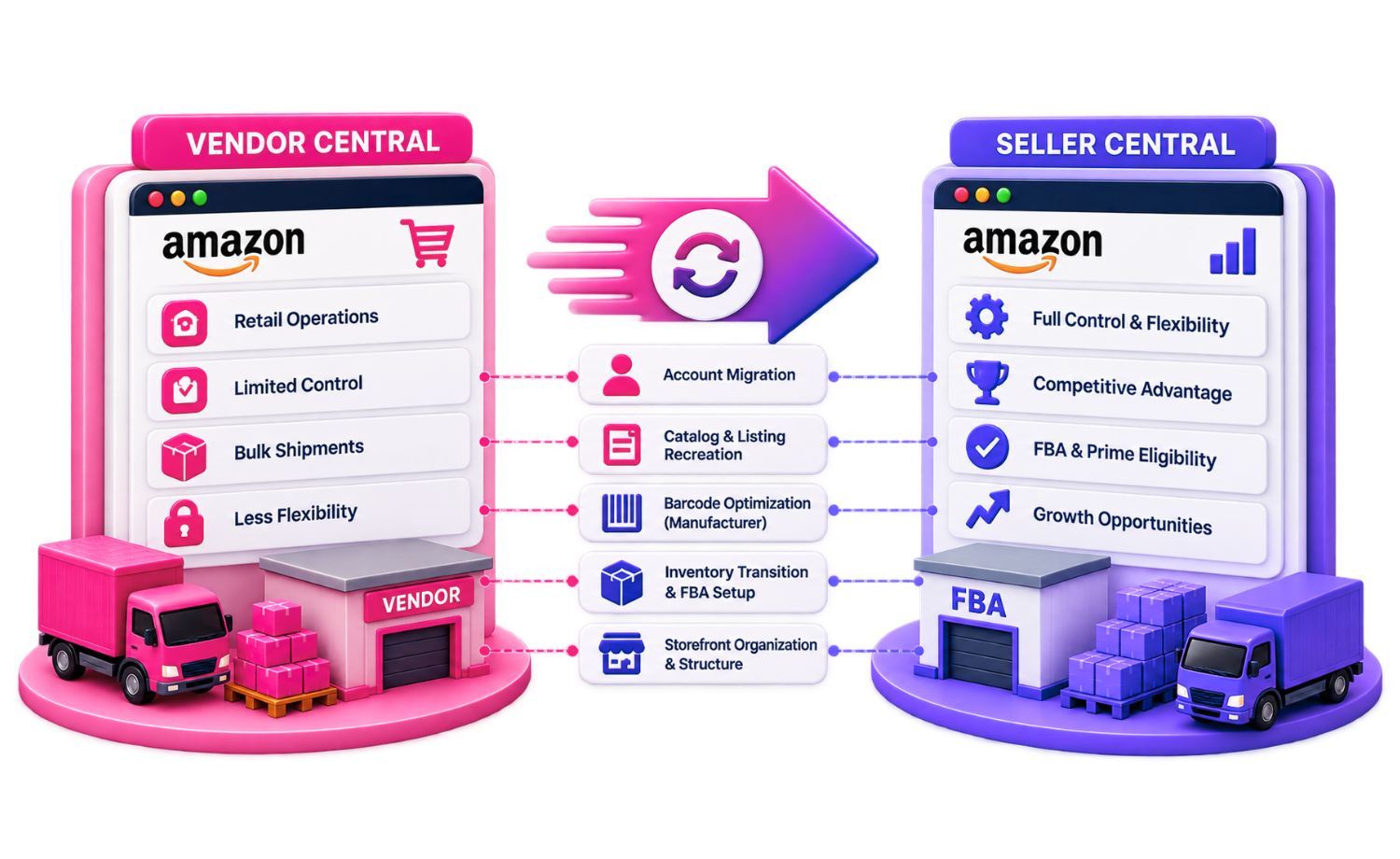
Before working with Seller Interactive, New Zealand Natural Pet Food Co. operated on Amazon through Vendor Central. Moving to an FBA-only Seller Central model created an opportunity for greater control over inventory and fulfillment while providing a more flexible structure for managing the brand’s Amazon business.

Moving from Vendor Central to Seller Central presented an opportunity for greater control and scalability, but the transition also introduced significant operational risk. The challenge was not simply opening a Seller Central account. The business needed to recreate and activate ASINs, resolve catalog inconsistencies, coordinate FBA inventory, establish reliable fulfillment workflows, and maintain product availability throughout the change.
Preparing the catalog for a different Amazon operating model was essential to the migration. Incorrect brand names, missing attributes, incomplete backend data, and ASIN-level issues could delay migration, prevent offers from going live, or create listing problems after launch. A thorough catalog review helped ensure product data was accurate, complete, and ready for Seller Central.
The FBA transition required inventory to be prepared, shipped, and received as Vendor Central was phased out. Poor timing could have resulted in stockouts or availability gaps, making inventory planning and shipment coordination essential to maintaining continuity as the new operation went live.
Moving to Seller Central required new workflows for fulfillment, account health, and issue resolution. We established workflows to monitor performance and address potential issues, including suppressed offers, stranded inventory, and Buy Box loss, before they could disrupt the account.
A successful migration needed to deliver more than a functional Seller Central account. The brand required a stronger foundation for conversion, merchandising, and customer experience so the new operation could support ongoing optimization and future growth.
The strategic challenge for Seller Interactive was therefore clear: How could the team migrate the business, protect continuity, stabilize the new operation, and create a platform for sustainable growth at the same time?
We approached the transition as a staged migration and growth plan rather than a one-time platform switch. The sequence was intentional: reduce risk before launch, execute the migration with active coordination, stabilize the new Seller Central operation, and then build toward stronger conversion and discoverability. This approach allowed each phase to address the risks created by the previous operating model while preparing the account for the next stage of growth.
Before the transition, we focused on identifying potential migration blockers and preparing the catalog and customer-facing experience for launch. The team conducted keyword and competitor research to understand demand, search opportunities, and the competitive environment for the brand's products. This research helped inform the content and merchandising direction before the products entered the new Seller Central operation.
We also collaborated with writing and design teams to refresh titles, bullet points, descriptions, images, A+ Content, and Brand Story assets. Preparing these assets before launch meant the products could enter Seller Central with a stronger customer-facing foundation rather than requiring major creative work after the migration.
A comprehensive catalog audit was conducted to identify incorrect or incomplete data, ASIN-level issues, and other potential migration blockers. Addressing these issues before the transition reduced the likelihood of catalog problems carrying into the new account.
Inventory planning was also incorporated into the pre-launch process. ASIN-level demand forecasts helped guide initial FBA shipments based on expected sales, helping reduce the risk of early stockouts while avoiding unnecessary overstocking.
By the end of this phase, high-risk catalog, content, and inventory issues had been surfaced and addressed before the transition, giving the new Seller Central operation a more stable starting point.
With the account prepared, our team moved into a hands-on migration. Relevant ASINs were recreated and activated in Seller Central, while discrepancies and missing catalog data were corrected to ensure products could operate properly under the new account structure.
Where appropriate, select listings were converted to manufacturer barcodes, supporting a more suitable fulfillment and inventory setup for the new FBA operation. The team also organized the storefront by product category, size, and format, creating a clearer structure for customers navigating the brand's product range.
The transition required close coordination between the Vendor Central sunset and the arrival of Seller Central FBA inventory. Timing was critical because a gap between the two operations could affect product availability, while catalog or offer issues could contribute to Buy Box loss or suppressed offers.
Rather than treating the migration as a single switch, we actively coordinated the different moving parts to reduce these risks and respond to issues as they emerged. The result was a functional Seller Central FBA operation with active listings, a structured storefront, and clearer operational workflows. With the new account in place, the focus shifted from migration execution to stabilizing its day-to-day performance.
The first two months after launch focused on establishing consistent processes for day-to-day Seller Central management. We monitored inventory closely and addressed operational issues across several key areas:
These processes extended the engagement beyond the initial migration, giving the brand a repeatable approach to inventory planning, account-health management, and issue resolution as the Seller Central operation continued to develop.
Once core operations were stable, we shifted our focus toward conversion, customer trust, and discoverability. Parent-child variations were restructured where products were legitimately related, helping consolidate reviews and strengthen social proof while creating a clearer way for customers to compare product options.
A/B testing of images and copy informed creative decisions by providing evidence about how different product presentations performed, without assuming a conversion increase where one was not directly measured. Early customer feedback also guided content refinements, including clearer information about product appearance, ingredients, and portion sizes, helping address common questions and improve the shopping experience.
Coupons, promotions, and Vine programs were introduced as initiatives intended to support product visibility and review development. Storefront improvements also made product navigation more intuitive, helping customers find relevant products more easily and creating a clearer path through the brand's product range.
By month six, the account had stronger customer-facing content, improved ratings, and more consistent sales activity across ASINs. These results reflected continued refinement across product structure, creative testing, review development, promotions, and storefront organization as the account moved from migration and stabilization into ongoing optimization.
The transition to an FBA-only Seller Central operation established a stronger foundation for ongoing account management and growth. Across the comparable February 1–December 31 periods in 2024 and 2025, New Zealand Natural Pet Food Co. saw substantial increases in both revenue and units sold.

These results reflect the combined impact of the broader strategy rather than the Seller Central migration alone. The cleaner account foundation created through the transition was supported by stronger conversion-focused content, improved product presentation, review acceleration, disciplined inventory management, and ongoing account oversight.
Importantly, the growth was built through a progression of migration, stabilization, and optimization. Establishing reliable FBA operations helped create the conditions for continued improvements across the account, while ongoing management allowed us to address operational issues and refine the customer experience as the business scaled.
The engagement left the brand with clearer product structures, a more intuitive storefront, and established processes for inventory planning, account management, promotions, product launches, and review development. These processes support more consistent execution across day-to-day operations and planned Amazon initiatives.
Rather than treating the migration as a one-time transition, Seller Interactive established repeatable processes for managing inventory, monitoring account performance, coordinating promotions, and supporting future launches and review programs.
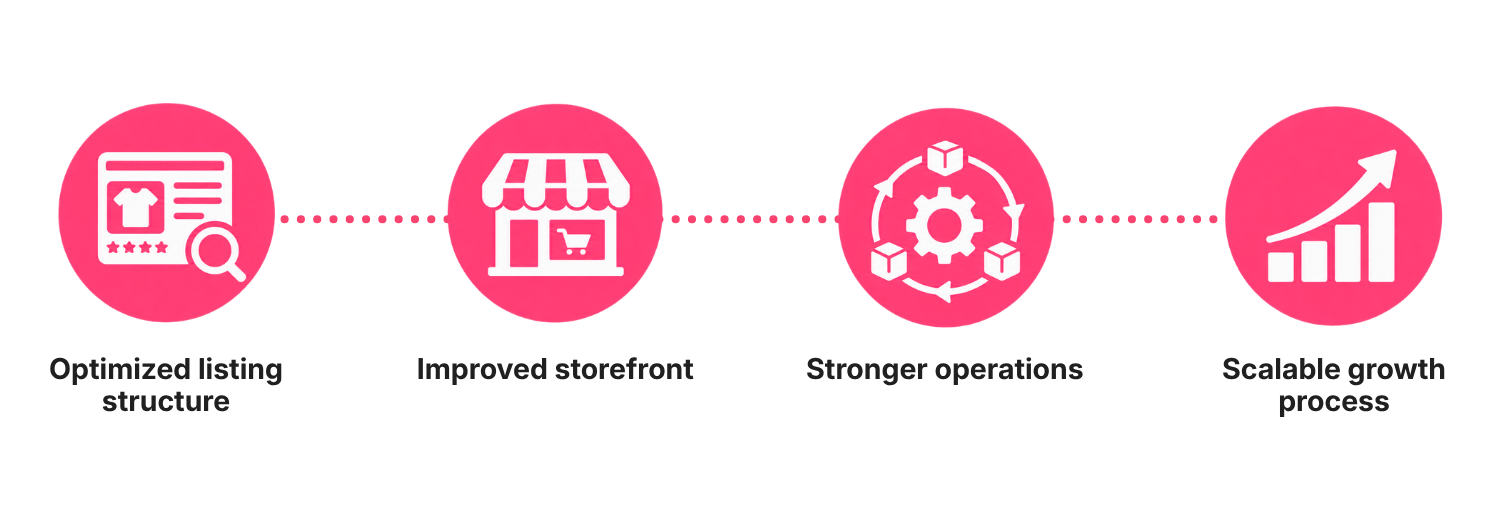
A Vendor Central-to-Seller Central transition involves more than moving products to a new selling model. The experience of New Zealand Natural Pet Food Co. highlights several considerations for brands planning a similar transition:
A successful migration is not defined by getting products active in Seller Central alone. Catalog readiness, inventory coordination, post-launch management, and a clear optimization plan all need to be considered before the transition begins.
New Zealand Natural Pet Food Co.’s transition from Vendor Central to an FBA-only Seller Central operation required more than a platform change. By combining careful migration planning with post-launch account management, inventory discipline, and ongoing optimization, Seller Interactive helped the brand increase revenue by approximately 51% and units sold by approximately 46% across the comparable February 1–December 31 periods in 2024 and 2025.
Planning a move to Seller Central or trying to stabilize an FBA account? Talk with Seller Interactive about a migration and growth plan built around your catalog, inventory, and business goals.