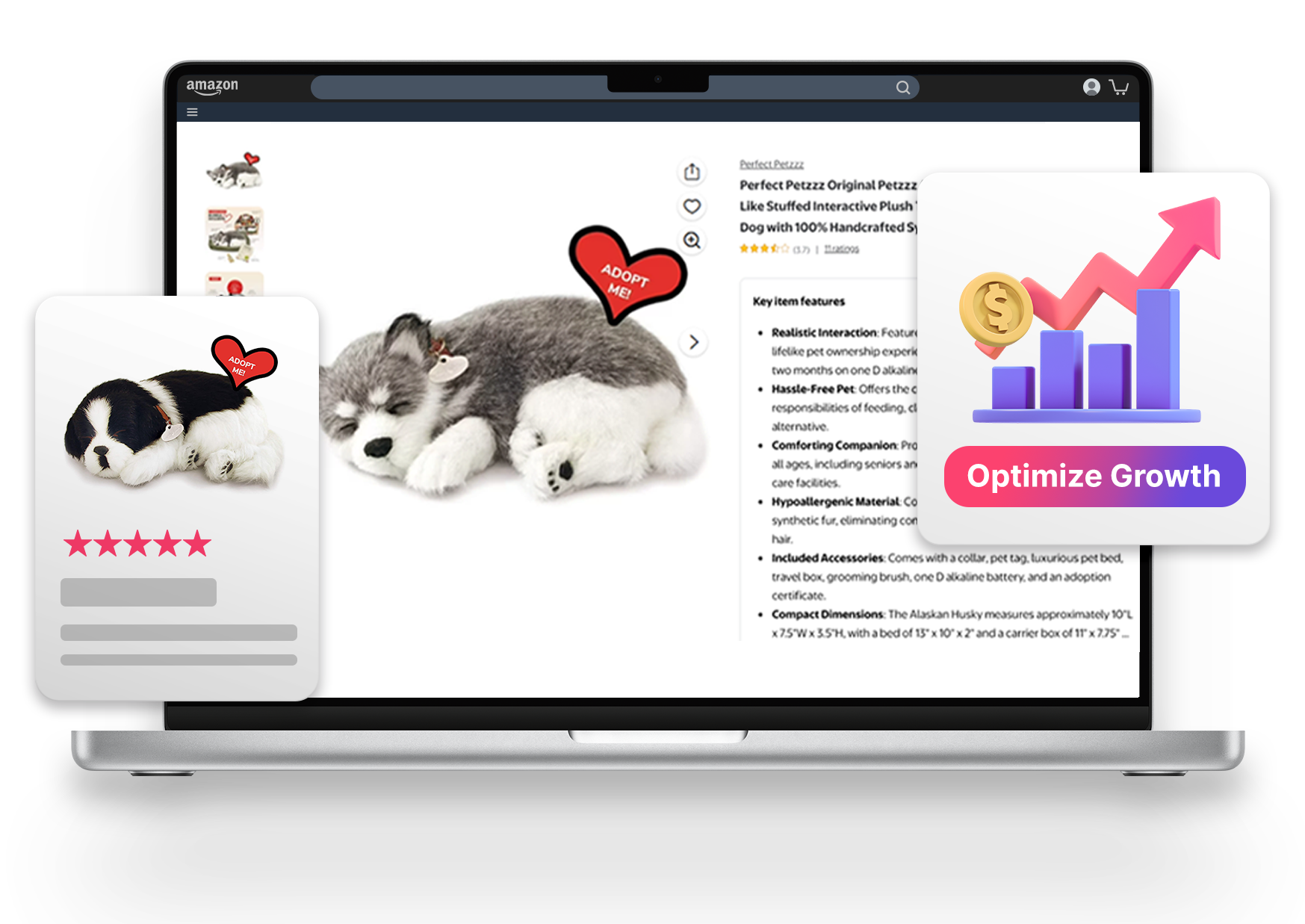
Many Amazon brands look to solve growth challenges by optimizing a single area, such as PPC campaigns or product listings. In reality, marketplace performance is interconnected. Strong advertising cannot compensate for weak listings, optimized listings cannot overcome inventory issues, and pricing decisions influence both conversion rates and profitability. Sustainable growth depends on aligning every component of the marketplace strategy.
Perfect Petzzz, a family-owned brand, partnered with Seller Interactive to strengthen its performance on Amazon, its largest sales channel, by implementing a coordinated strategy focused on visibility, conversion, profitability, and long-term marketplace growth. Although the business had already established a marketplace presence, it faced the challenge of scaling efficiently in an increasingly competitive environment. Rather than focusing on one area alone, the brand pursued a coordinated growth strategy designed to improve visibility, increase conversions, and drive stronger long-term business results.
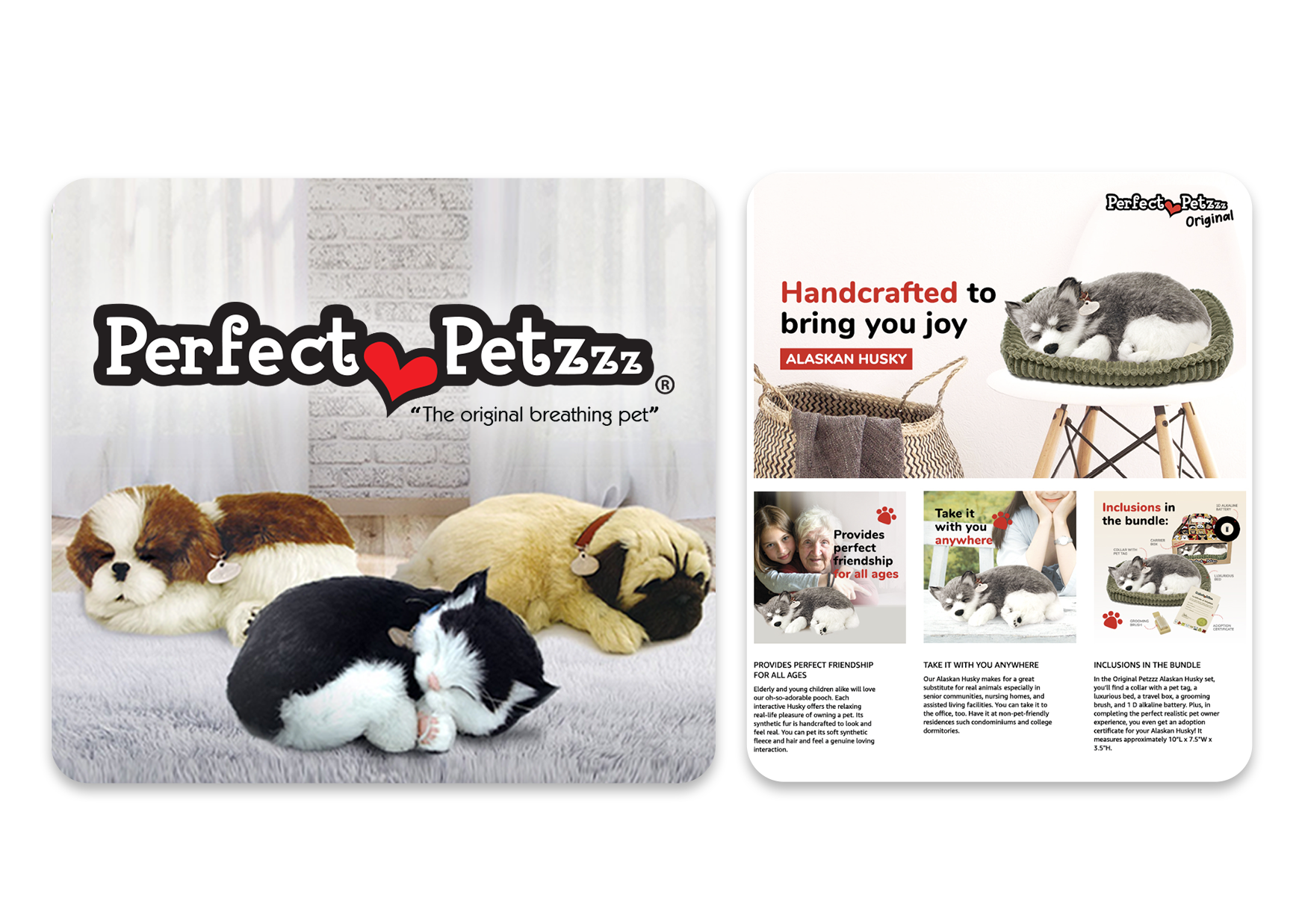
Founded by Kean Chan and Jonathan Jenkins, Perfect Petzzz is a family-owned company based in Austin, Texas, that creates lifelike sleeping puppies and kittens designed to provide the comfort and companionship of a real pet without the ongoing responsibilities of pet ownership. The brand serves a diverse customer base, including families, seniors, and children, while donating a portion of its proceeds to local animal shelters. Although Perfect Petzzz also sells through Walmart and its own ecommerce website, Amazon is its primary marketplace and the company's largest opportunity for growth. The goal was to strengthen their Amazon presence by increasing visibility, improving conversions, and building a scalable foundation for long-term marketplace success.
Perfect Petzzz's growth challenges extended beyond product listings. While optimizing content was important, the brand was also managing several operational and marketplace issues that limited its ability to scale consistently. Each challenge affected a different part of the business, but together they created a cycle that reduced visibility, weakened conversions, and made profitable growth more difficult.
One of the most significant obstacles was the revocation of the brand's Amazon Brand Registry access. Without Brand Registry protections, Perfect Petzzz became vulnerable to unauthorized listing edits that created inconsistent product content and reduced the brand's ability to maintain accurate, high-converting listings. At the same time, increased Buy Box competition made it more difficult to capture sales, even when products ranked well in search results.
Operational issues added another layer of complexity. Inventory management disruptions and inconsistent stock availability created periods where products became unavailable or inventory levels fluctuated unexpectedly. These interruptions not only reduced sales opportunities but also limited advertising performance, since campaigns could not consistently drive traffic to products that were not always available.
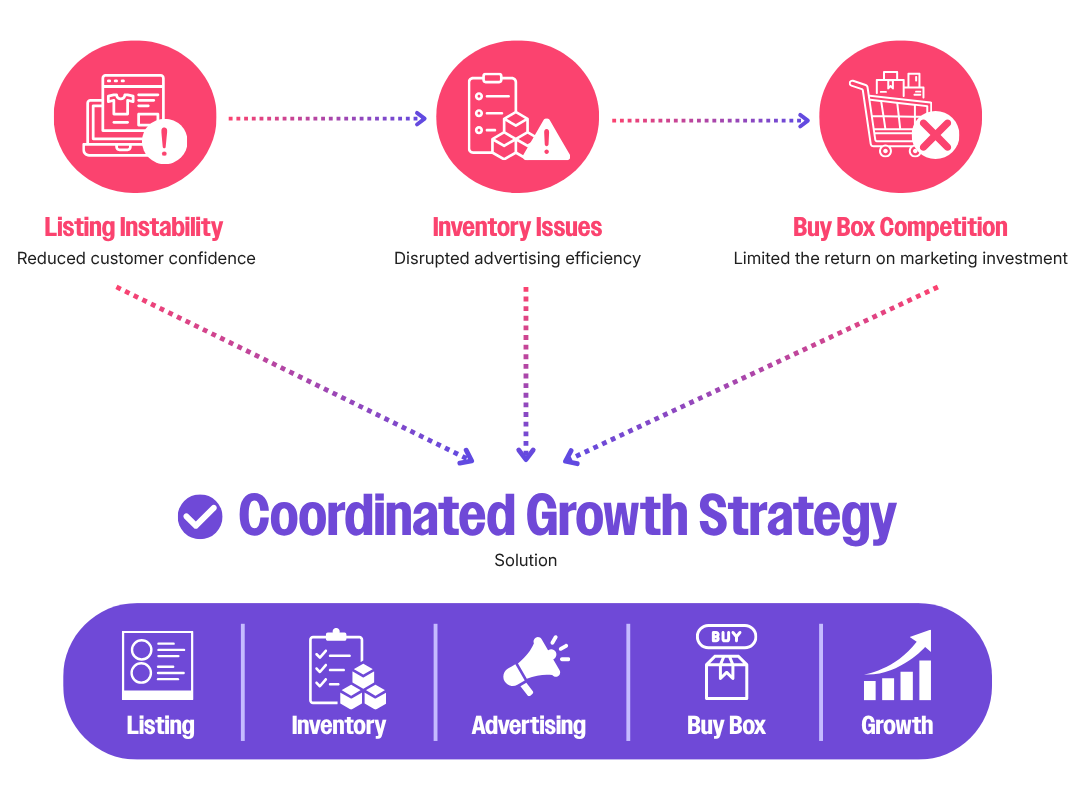
Rather than existing as separate problems, these challenges reinforced one another. Listing instability reduced customer confidence, inventory issues disrupted advertising efficiency, and Buy Box competition limited the return on marketing investment. To achieve sustainable growth, Perfect Petzzz needed a coordinated strategy that addressed every factor influencing marketplace performance instead of focusing on listing optimization alone.

When Amazon performance begins to plateau, it's tempting to focus on a single solution. Some brands invest more in PPC, while others update their product listings, lower prices, or increase promotional activity. Although each of these initiatives can improve performance, none can deliver sustainable growth when the underlying marketplace challenges are interconnected.
For Perfect Petzzz, stronger listings alone would not have solved inventory disruptions that affected product availability and sales consistency. More advertising would have brought additional traffic, but without optimized product content, that traffic would have had fewer opportunities to convert. Similarly, lowering prices could have helped increase competitiveness, but it would have come at the cost of reduced margins and limited profitability.
Promotions presented the same challenge. Driving more shoppers to a listing only creates value when the product page clearly communicates benefits, builds trust, and helps customers make confident purchasing decisions. Even high-quality visuals and enhanced content would not have addressed larger marketplace issues, such as Buy Box competition or Brand Registry challenges.
The key to sustainable Amazon growth is understanding how each part of the marketplace influences the others. Listings impact advertising efficiency, inventory affects sales momentum, pricing influences profitability, and account health supports long-term stability. Addressing these areas together creates a stronger foundation for growth than improving any single component in isolation.
Perfect Petzzz's challenges were not isolated problems that could be solved independently. Weak conversion rates limited the effectiveness of advertising, inventory instability threatened organic rankings, and pricing decisions directly influenced both profitability and campaign performance. Improving one area without addressing the others would simply shift the bottleneck elsewhere.
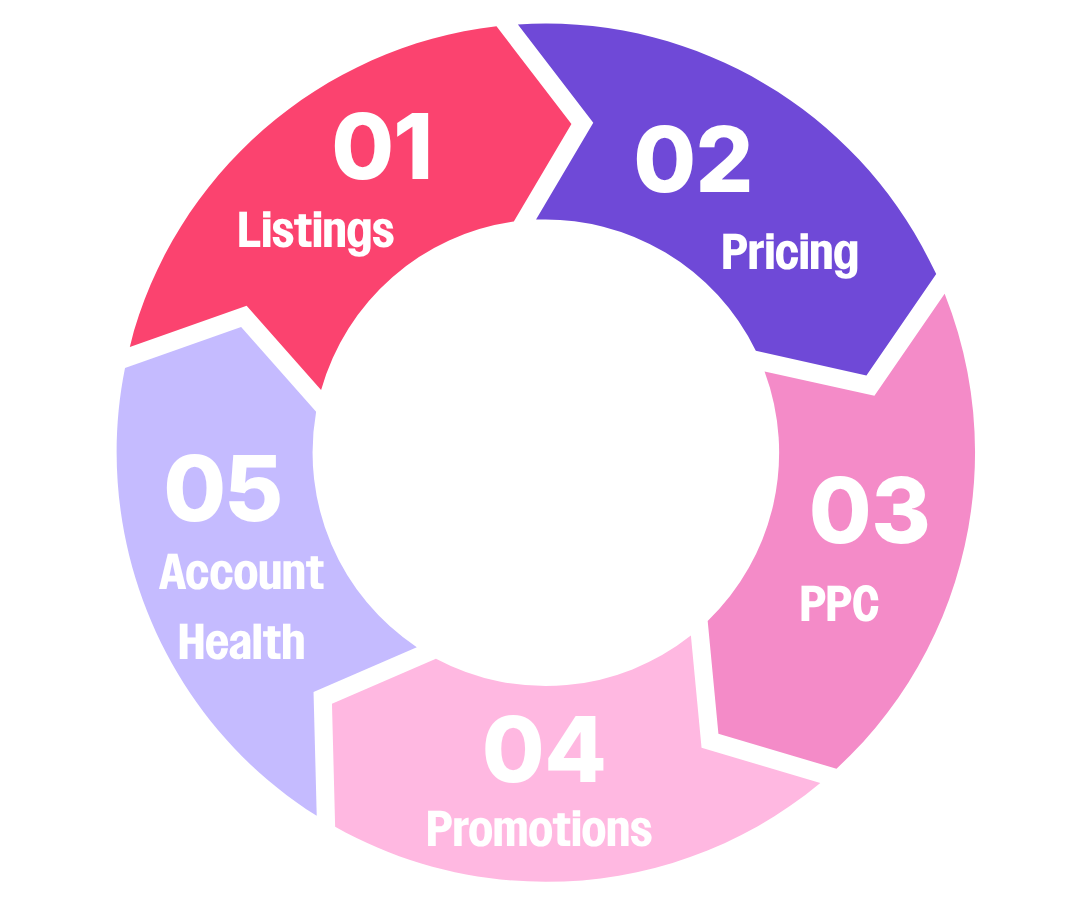
Rather than pursuing disconnected optimizations, Seller Interactive developed a coordinated strategy that prioritized improvements based on their impact on the broader Amazon ecosystem. The objective was to strengthen the customer journey step by step—first ensuring shoppers encountered compelling, conversion-ready listings, then scaling traffic through advertising, refining profitability through pricing, and finally supporting long-term growth with stronger operational management. Each phase created the conditions necessary for the next, allowing improvements to compound rather than compete with one another.
The first priority was improving product listings because additional traffic would have generated limited value if visitors were not converting into customers. Keyword research showed opportunities to increase visibility for relevant searches, but analysis also revealed that existing listings were not fully communicating the products' unique value or addressing common customer questions.
Rather than immediately increasing advertising investment, Seller Interactive focused on strengthening the foundation of the customer experience. Product titles, bullet points, and descriptions were rewritten to improve both search relevance and purchase confidence, while custom infographics and expanded A+ Content highlighted the realism of each pet, clarified product features, and answered common buying considerations.
These improvements accomplished more than increasing discoverability. They created stronger conversion potential, allowing future advertising campaigns to generate higher returns because more shoppers arriving on the listings were prepared to purchase. Optimizing listings first ensured subsequent investments in traffic acquisition would be significantly more efficient.
Once the listings were better positioned to convert visitors into customers, pricing became the next strategic priority. Adjusting prices before strengthening product pages would have made it difficult to determine whether sales changes were driven by pricing or by the customer experience itself.
Instead of competing primarily through discounts, Seller Interactive introduced measured pricing adjustments while closely monitoring customer response. This approach revealed where Perfect Petzzz could improve margins without creating meaningful resistance to purchase. Because the listings were already communicating value more effectively, the brand was able to maintain conversion rates while improving profitability.
Establishing a healthier pricing structure before increasing advertising investment also ensured that future customer acquisition would contribute stronger margins rather than simply generating higher sales volume.
With stronger listings and a more sustainable pricing strategy in place, advertising optimization could focus on profitable growth instead of compensating for underlying conversion issues.
Campaign analysis identified high-converting search terms that deserved greater investment while eliminating spending on lower-performing keywords and audiences. Budgets were reallocated toward campaigns demonstrating consistent returns rather than simply increasing overall advertising spend.
Building a strong foundation before increasing advertising investment allowed each optimization to reinforce the next. Better listings increased conversion rates, refined pricing improved profitability, and more efficient campaigns generated stronger returns on ad spend. Only after these indicators stabilized did Seller Interactive scale advertising investment to capture additional demand with greater confidence.
Seasonal events such as Prime Day, Black Friday, and Cyber Monday represented opportunities to accelerate growth, but only if the underlying marketplace infrastructure was prepared to support increased demand.
Rather than treating promotions as isolated marketing campaigns, Seller Interactive synchronized pricing, listings, advertising, and inventory planning well before each event. Previous optimization efforts had already strengthened conversion performance, allowing seasonal traffic to produce greater returns without relying solely on promotional discounts.
This planning also reduced operational risks during peak shopping periods, ensuring inventory availability, advertising performance, and listing quality remained aligned when customer demand reached its highest levels.
The final priority focused on reinforcing the operational systems required to sustain continued marketplace growth. As sales increased, maintaining account health, inventory availability, and brand control became increasingly important because operational disruptions could quickly undermine gains achieved through marketing optimization.
Seller Interactive worked alongside Perfect Petzzz to restore Brand Registry access, giving the company greater control over its product listings and reducing the risk of unauthorized content changes. Inventory levels were monitored proactively to minimize stockouts that could negatively affect rankings, advertising efficiency, and customer experience, while Buy Box performance was managed to preserve both competitiveness and profitability.
These operational improvements were intentionally addressed after the commercial foundation had been strengthened. By this stage, listings, pricing, advertising, and promotional planning were working together effectively, making operational stability the critical factor for protecting long-term growth. Rather than managing each function independently, Seller Interactive treated the Amazon business as an interconnected system in which every optimization reinforced the next, creating a marketplace strategy capable of delivering sustained performance over time.
For Perfect Petzzz, the customer journey was less about convincing shoppers they needed a pet and more about helping them understand what made the product unique. Because the brand sells realistic plush companion pets, customers often had questions that could not be answered by a simple product image or brief description. They wanted to know how lifelike the pets looked, what sounds or movements they made, what was included in the package, and whether the product was suitable as a gift or for a loved one seeking companionship.
The listing optimization strategy was designed to address these questions before they became reasons not to purchase. Product titles, bullet points, and descriptions were rewritten to clearly communicate the pets' lifelike appearance, interactive features, and intended use, while enhanced A+ Content and custom infographics visually demonstrated key product details that shoppers may have otherwise overlooked. By providing more complete information upfront, the listings reduced uncertainty and helped customers better understand the value of the product without needing to leave the page.
Keyword optimization also improved how shoppers discovered the products. Instead of appearing primarily for broad search terms, the listings became more visible for relevant, high-intent searches that reflected how customers were actually looking for realistic companion pets and gift ideas. This meant visitors arriving on the listings were more likely to be interested in the product, making the improved content even more effective at guiding them toward a purchase.
Together, these changes created a more confident buying experience. Customers could quickly understand what made Perfect Petzzz different from traditional plush toys, evaluate whether the product met their needs, and complete their purchase with fewer unanswered questions or concerns. The result was a smoother customer journey that supported stronger conversion performance while reinforcing the brand's value proposition across its Amazon catalog.
The impact of this coordinated strategy was reflected in both revenue growth and improved advertising efficiency, demonstrating how integrated marketplace management can drive stronger performance than isolated optimizations.
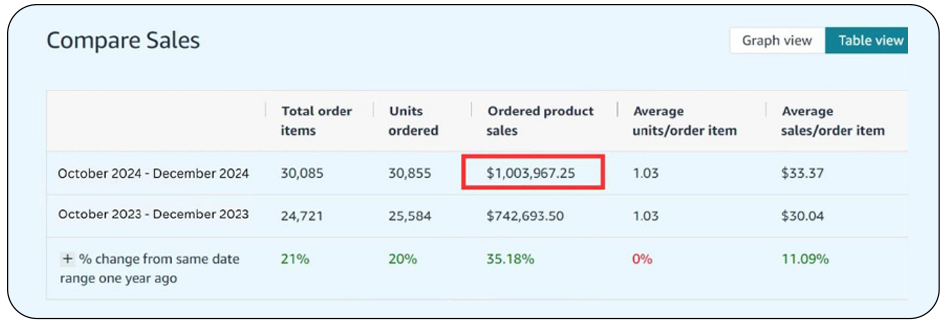
During the Q4 performance period, Perfect Petzzz generated over $1 million in total sales, a significant milestone given that Q4 represents one of the most competitive and high-cost advertising periods on Amazon. Achieving this level of revenue during peak season indicates that the brand was able to scale demand effectively while maintaining control over profitability and operational stability.
Advertising efficiency also improved, with the account achieving a 4.29 ROAS and a 24.23% ACOS. These metrics reflect how effectively ad spend is being converted into revenue. A stronger ROAS combined with controlled ACOS indicates that increased visibility was not achieved through inefficient spending, but through better targeting, improved conversion rates, and more effective campaign structure.
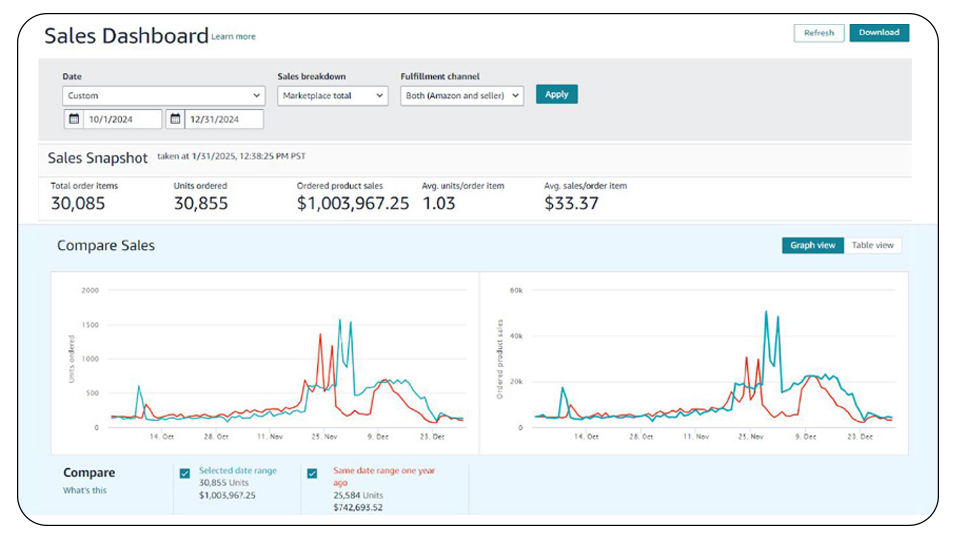
Over the comparison period, the brand also achieved approximately 35% year-over-year sales growth, demonstrating sustained momentum beyond seasonal fluctuations and reflecting improvements across multiple areas of the marketplace, including listings, advertising, pricing, and operations.
In addition to revenue growth, Perfect Petzzz was able to increase its average selling price while continuing to scale total sales, a key indicator of stronger market positioning and increased customer confidence. Instead of relying on discounting to drive volume, the brand was able to maintain or improve pricing while still growing demand, supporting healthier long-term profitability.
Together, these outcomes highlight the value of a coordinated Amazon strategy where listing optimization, advertising efficiency, and operational management reinforce one another to produce measurable business results.
Perfect Petzzz's experience demonstrates that sustainable Amazon growth comes from identifying and solving the right constraint first rather than trying to improve every metric simultaneously. While it can be tempting to increase advertising spend or launch promotions to generate immediate sales, Seller Interactive determined that doing so before improving the listings would have resulted in higher customer acquisition costs and lower returns. Strengthening conversion first ensured that every future marketing investment worked harder.
The engagement also reinforced that sequencing matters as much as the optimizations themselves. Product listings were improved before pricing adjustments, pricing was refined before advertising was scaled, and operational improvements were treated as the foundation for long-term growth rather than an afterthought. Each decision reduced uncertainty in the next stage of the strategy and allowed improvements to build on one another instead of competing for impact.
Another important lesson was that optimization often involves trade-offs. For example, Perfect Petzzz did not rely on aggressive discounting to increase sales volume because protecting long-term profitability was a higher priority than generating short-term revenue. Likewise, advertising budgets were not increased simply because campaigns were available to scale. Investment only expanded after the listings, pricing, and campaign performance demonstrated they could convert additional traffic efficiently. This disciplined approach produced slower initial growth than an aggressive spending strategy might have, but it created stronger, more sustainable performance over time.

The project also highlighted the importance of understanding customer intent within a specific product category. Perfect Petzzz sells realistic companion pets, which means shoppers often need more information before making a purchase than they would for a conventional plush toy. The listing strategy therefore focused on answering questions about realism, features, gifting occasions, and intended use rather than simply adding more keywords. Improving product education reduced purchase hesitation, strengthened conversion, and increased the effectiveness of both organic visibility and paid advertising.
Perhaps the biggest takeaway is that Amazon should be managed as an interconnected system rather than a collection of independent tactics. Changes to listings influence advertising efficiency, pricing affects both conversion and profitability, inventory impacts search visibility, and account health underpins every customer interaction. For Perfect Petzzz, treating these elements as connected rather than separate created a strategy in which each improvement reinforced the next. That systems-based approach is a lesson other Amazon brands can apply when building a marketplace strategy designed for long-term, profitable growth rather than isolated performance gains.
Perfect Petzzz’s growth on Amazon did not come from a single tactic or isolated optimization. It resulted from aligning multiple interconnected areas of the business into a coordinated strategy designed for long-term performance.
By improving product listings, refining pricing, optimizing advertising, leveraging promotions, strengthening marketplace operations, and maintaining ongoing account management, the brand was able to build a more stable and scalable foundation for growth.
For Amazon sellers facing similar challenges, Perfect Petzzz’s growth demonstrates that meaningful results come from treating the marketplace as an integrated system rather than a collection of separate initiatives. By aligning listings, advertising, pricing, promotions, and operations, brands can move beyond short-term improvements and build a stronger foundation for sustained, profitable growth.